
Ingredients

Postbiotics
Teichoic Acids (TA)
Peptidoglycan
Lipoteichoic Acid (LTA)
Plasmalogens
Membrane Proteins
Intracellular Polysaccharides
Lipids
Vitamins
Organic Acids
Proteins / Peptides
Enzymes
Exopoly
saccharides
Short-Chain Fatty Acids (SCFAs)
Fermented to concentrate phytonutrients
Derived from natural botanical extracts, these ingredients provide a pure and abundant culture medium for probiotics. Nourished by these natural components, the probiotics undergo efficient fermentation, producing a diverse postbiotic nutrient matrix — including organic acids, short-chain fatty acids, proteins/peptides, and various bioactive enzymes. This process significantly increases the concentration of key nutrients such as vitamins, amino acids, and minerals, and converts them into different molecular forms.


Pure botanical extracts,Clean by nature
Biofaith® GB
Natural Plant Sources
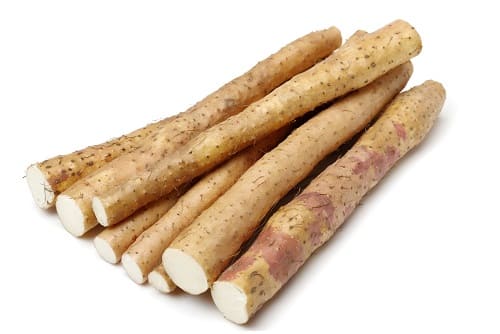
Yam
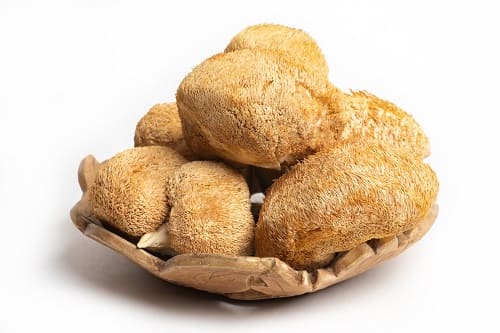
Hericium erinaceus
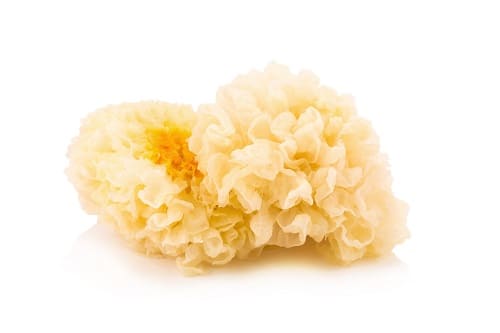
Tremella fuciformis
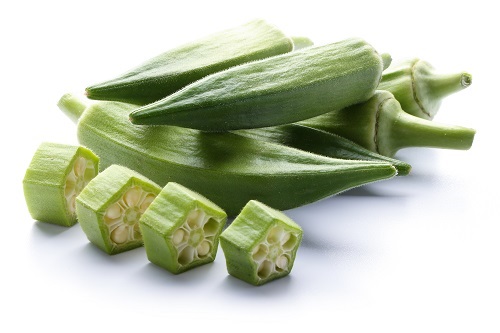
Okra
The postbiotic metabolites in this formulation are derived from the fermentation of four plant sources: yam (Dioscorea opposita) tuber, Hericium erinaceus mycelium, Tremella fuciformis fruiting body, and okra (Abelmoschus esculentus) pods. These plant materials are commonly consumed foods, each naturally containing polysaccharides, dietary fibre, and amino acids. Through our patented probiotic fermentation process, the natural macromolecules present in these raw materials are broken down into smaller metabolites that form the postbiotic matrix.


Active Compounds
Mucopolysaccharides
amino acids
Biofaith® AR
Natural Plant Sources
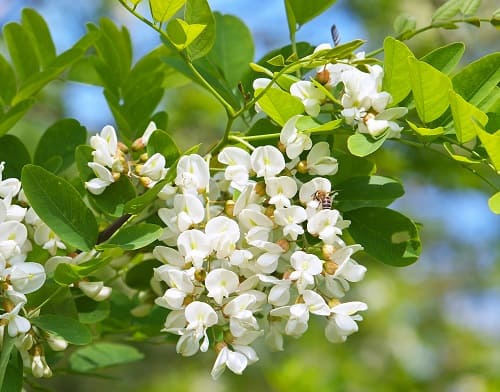
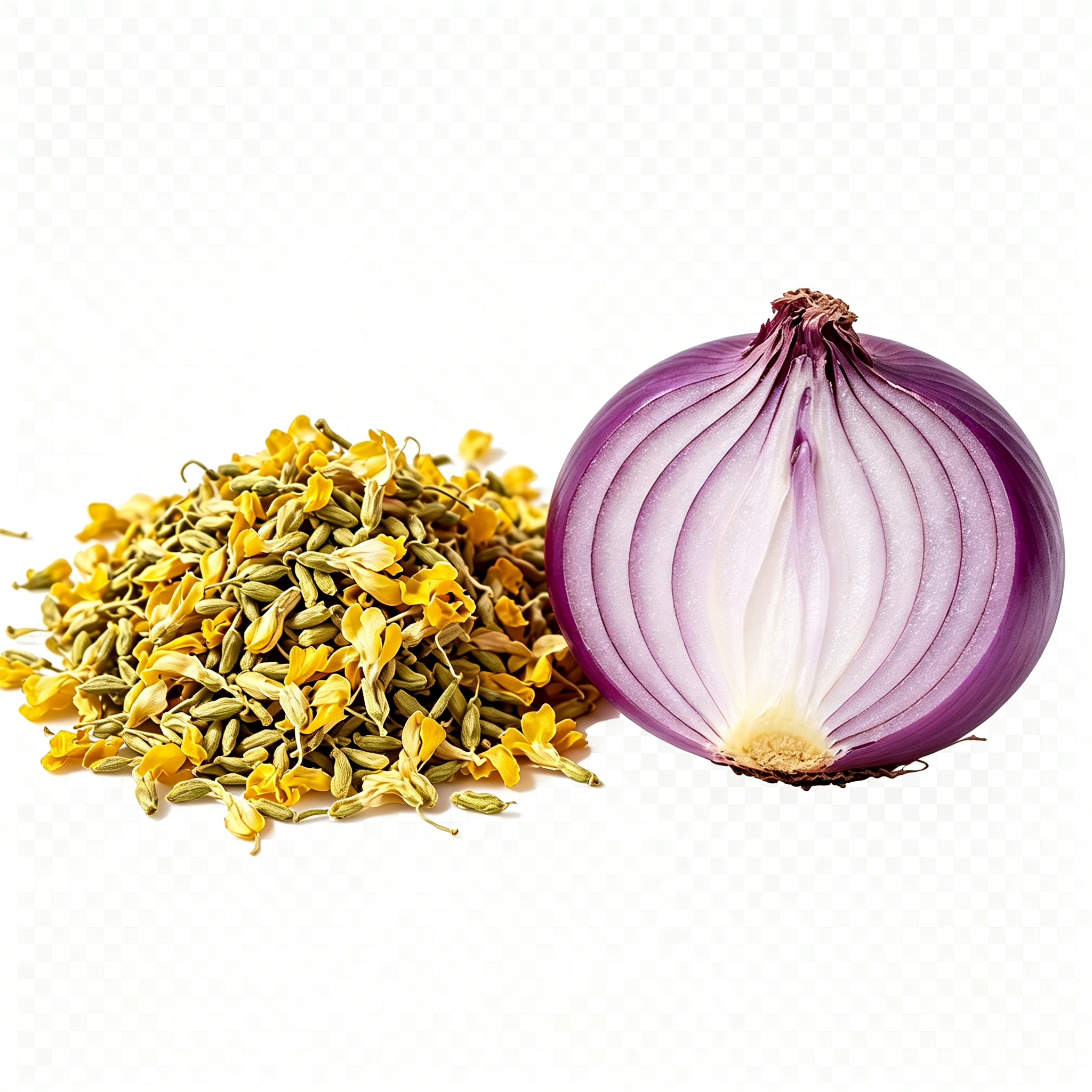
Sophora japonica flower bud
Onion
Polyphenols, including flavonoids such as quercetin and rutin, are plant secondary metabolites naturally present in onions and many other foods. Cyclic adenosine monophosphate (cAMP) is a cyclic nucleotide found in nature, including in Sophora japonica flower buds.
This postbiotic is fermented from Sophora japonica flower buds and onion — both with a long dietary history. The compounds described above are naturally present in these raw materials.


Active Compounds
Polyphenols (flavonoids including quercetin and rutin)
cyclic adenosine monophosphate (cAMP)
Biofaith® BV
Natural Plant Sources
Cruciferous vegetables:
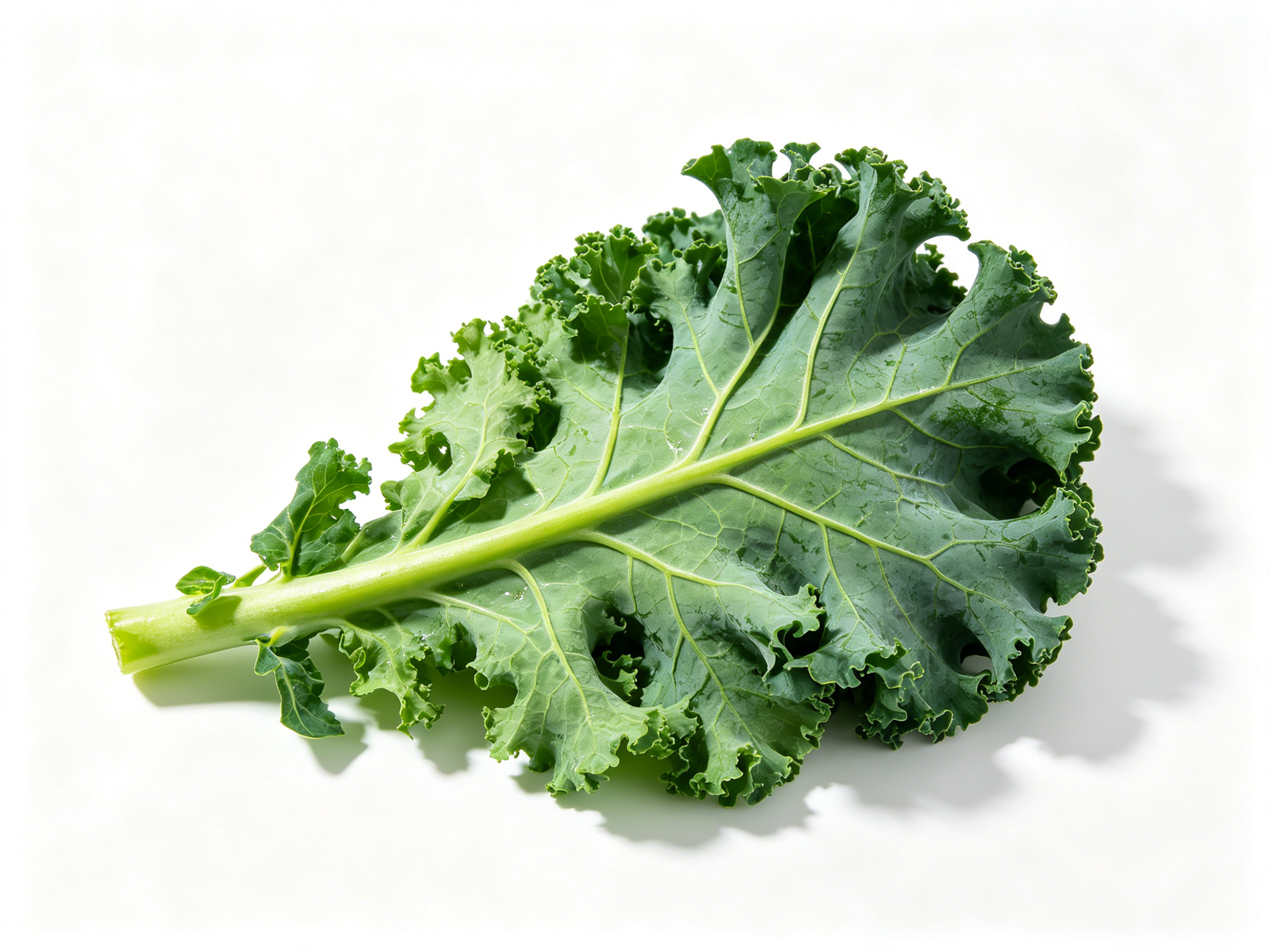
Kale
Broccoli
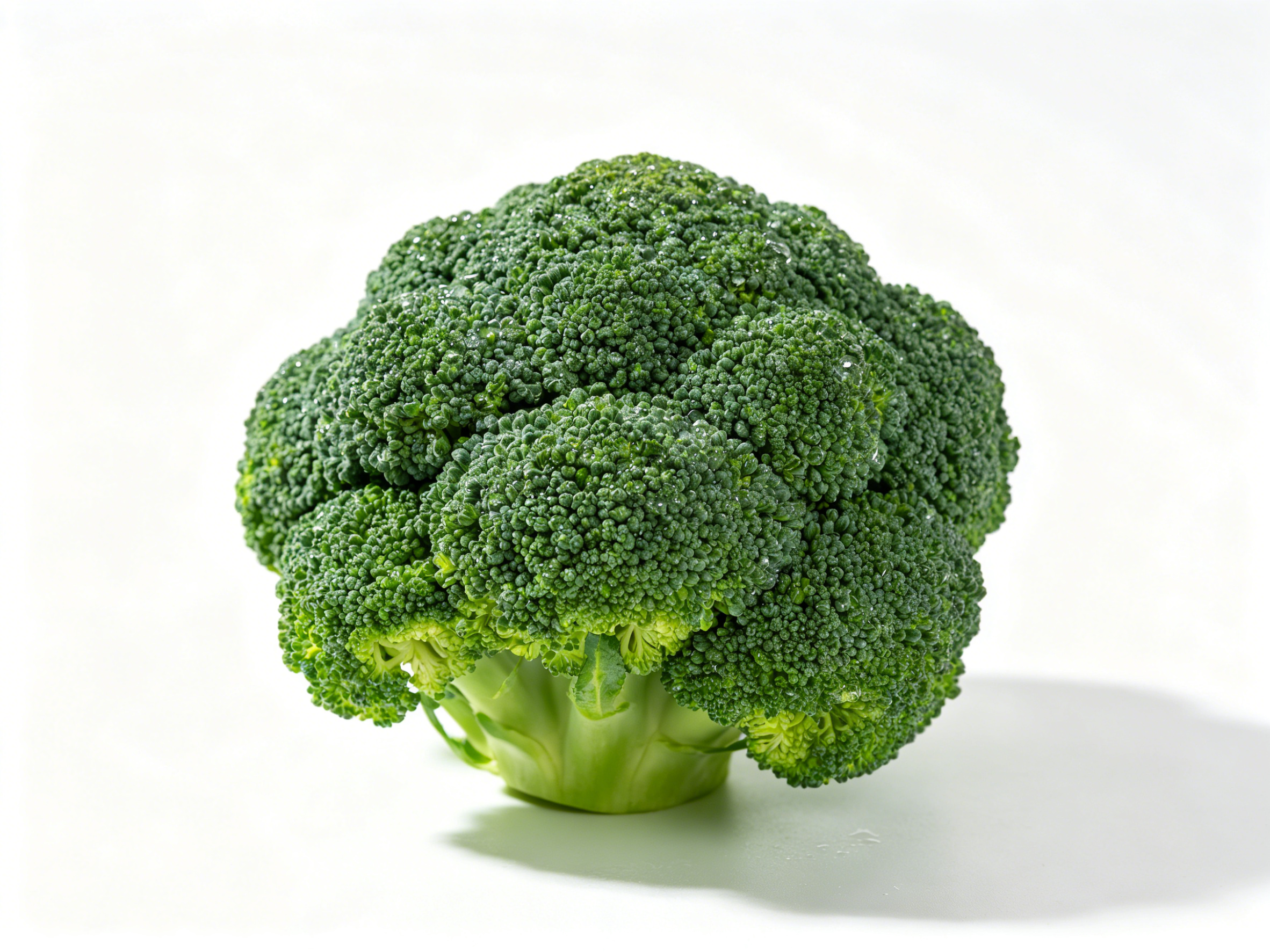
Glucosinolates, including glucoraphanin, are sulphur-containing compounds naturally present in cruciferous vegetables. When plant cells are disrupted, glucoraphanin is enzymatically converted to sulforaphane — a transformation that also occurs during fermentation. Methylmethionine (vitamin U) is a sulphur-containing amino acid derivative found in these same vegetables.
This postbiotic is fermented from kale and broccoli. The compounds described above are naturally present in these plants or formed during fermentation.


Active Compounds
Glucosinolates(including glucoraphanin)
sulforaphane
methylmethionine (vitamin U)
Biofaith® BP
Natural Plant Sources
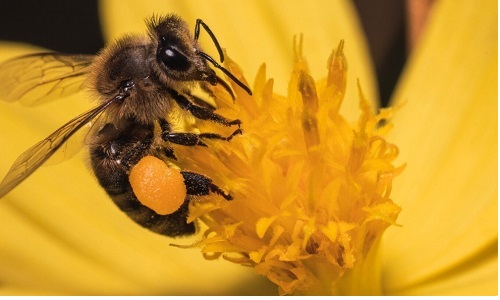
Bee Pollen
Bees collect precious resin from natural plant buds and bark, transforming it through special secretions into a highly bioactive substance. Utilizing strict standardized extraction processes, each batch achieves pharmaceutical-grade purity, providing dual protection of nature and science for your health.



Active Compounds
polyphenols
flavonoids